
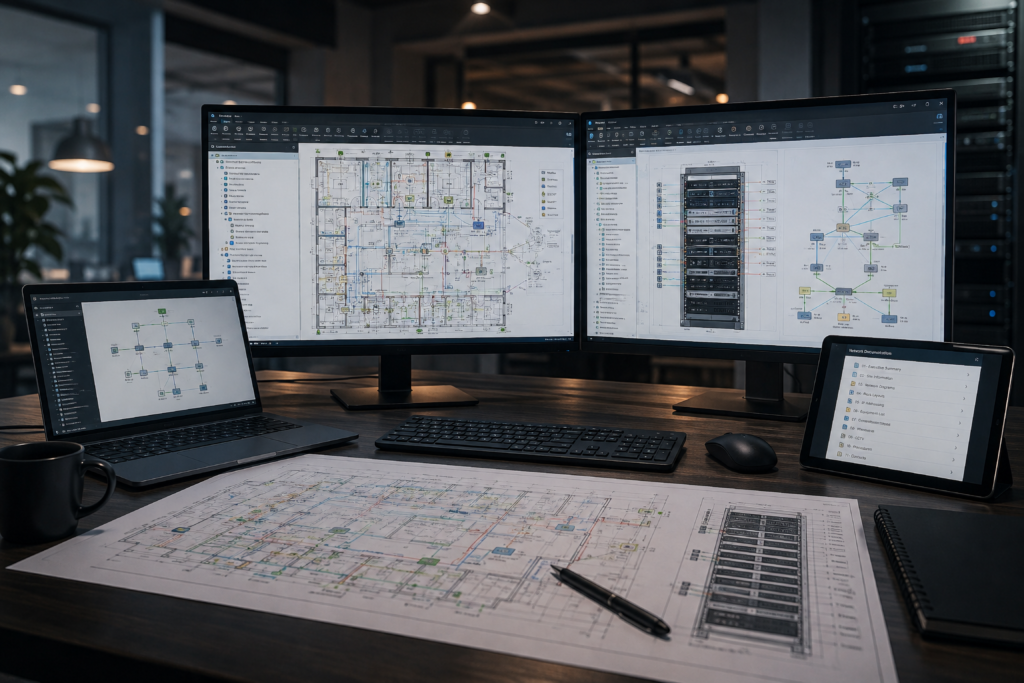
Turn Complex Environments into Clear Documentation.
NetworkDocs creates professional network diagrams and structured technical documentation for connected environments, from individual systems and smart buildings to commercial, mobile and large-scale infrastructure.
Combining technical understanding with visual communication, I turn information supplied by engineers, MSPs, contractors and system owners into documentation that is clear, consistent and maintainable.
James Price
Founder, NetworkDocs
Technology is at its best when it is organized and easy to understand, a principle at the heart of NetworkDocs. I created this practice to transform complex connected environments into clear, accessible, and maintainable documentation. By blending visual design, modern web and cloud practices, and strict administrative standards, I bridge the gap between raw technical infrastructure and effective communication.
Drawing on a diverse background in IT, design, and project management, I partner alongside MSPs, network engineers, and system owners. While you provide the authoritative technical data, I translate it into professional diagrams and structured information. Whether I am mapping a single network cabinet, a mobile command vehicle, or a large-scale commercial facility, the objective remains exactly the same: making your technology easier to understand, manage, and maintain.
Credentials & Qualifications
• Cisco Networking & Cybersecurity
• Cert. Information Systems & Technology
• Dip. Art & Creativity (Adv) Level 7
• NZDip. Digital Media & Design Level 5
• NZDip. Creativity Levels 5 & 6
• NatDip. Design (Graphic) Level 5
• NatDip. Adult Ed / Dip. Bus.
• CertTikanga Level 3
“I don’t replace your engineers, technicians or specialist contractors; I help make their knowledge visible. Their job is to design, install, manage and maintain the infrastructure. My job is to document it, transforming complex connected environments into clear diagrams, structured information and maintainable documentation that people can understand, trust and use.” – James Price
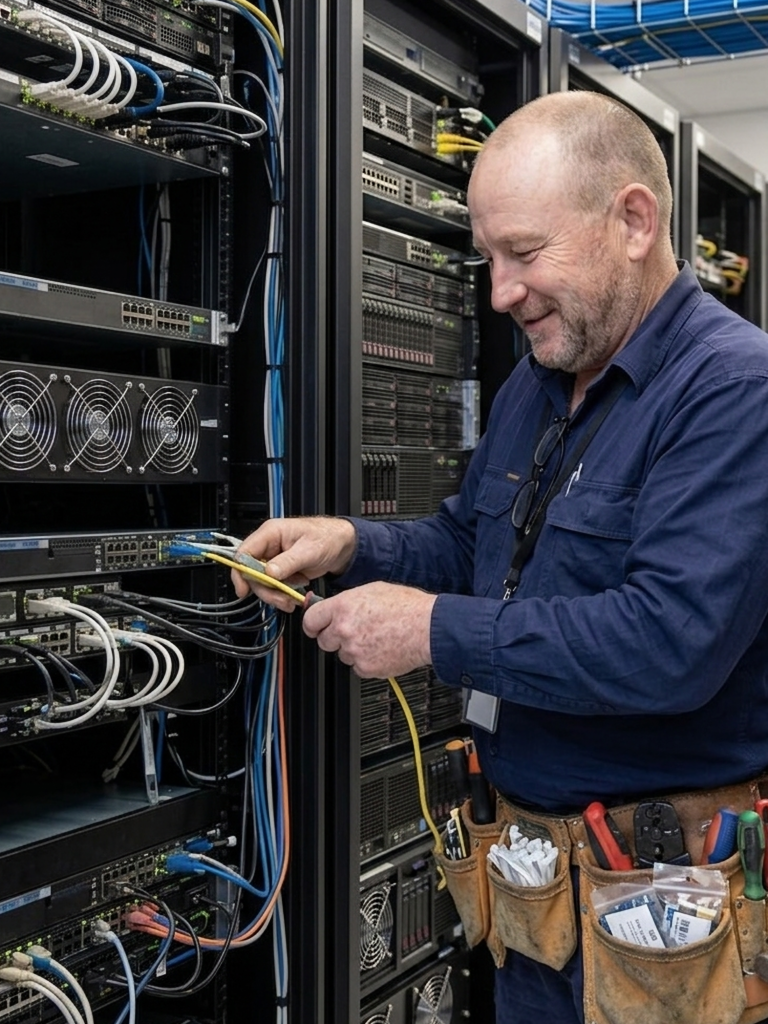
Clear Documentation.
Better Decisions.
Better Managed Environments.
Turning complex technical environments into clear, structured and maintainable information.
Good documentation makes technology easier to understand, manage, troubleshoot and maintain. NetworkDocs brings together network diagramming, technical documentation and information design to create a clear picture of how an environment is structured and connected.
Documentation can begin with something as simple as a network cabinet, smart home or individual system and extend to offices, commercial buildings, mobile command vehicles and large-scale connected infrastructure.
I work with information supplied by MSPs, network engineers, contractors, integrators, facilities teams and system owners to create professional diagrams, asset information, technical records, procedures and supporting documentation.
The objective is not simply to produce a diagram. It is to create a structured documentation framework that can grow with the environment, remain understandable over time and provide a reliable reference when changes, maintenance or troubleshooting are required.
Whether the environment contains a handful of connected devices or thousands, the principle remains the same:
Understand what is there. Document how it connects. Keep the information useful.

Documenting Connected Environments
From a single network cabinet to a multi-site commercial environment, good documentation provides a reliable picture of what exists, where it is located, how it connects and how it should be maintained.
NetworkDocs works with technical information supplied by system owners, MSPs, network engineers, contractors, integrators and facilities teams to transform complex infrastructure into clear, structured and maintainable documentation.
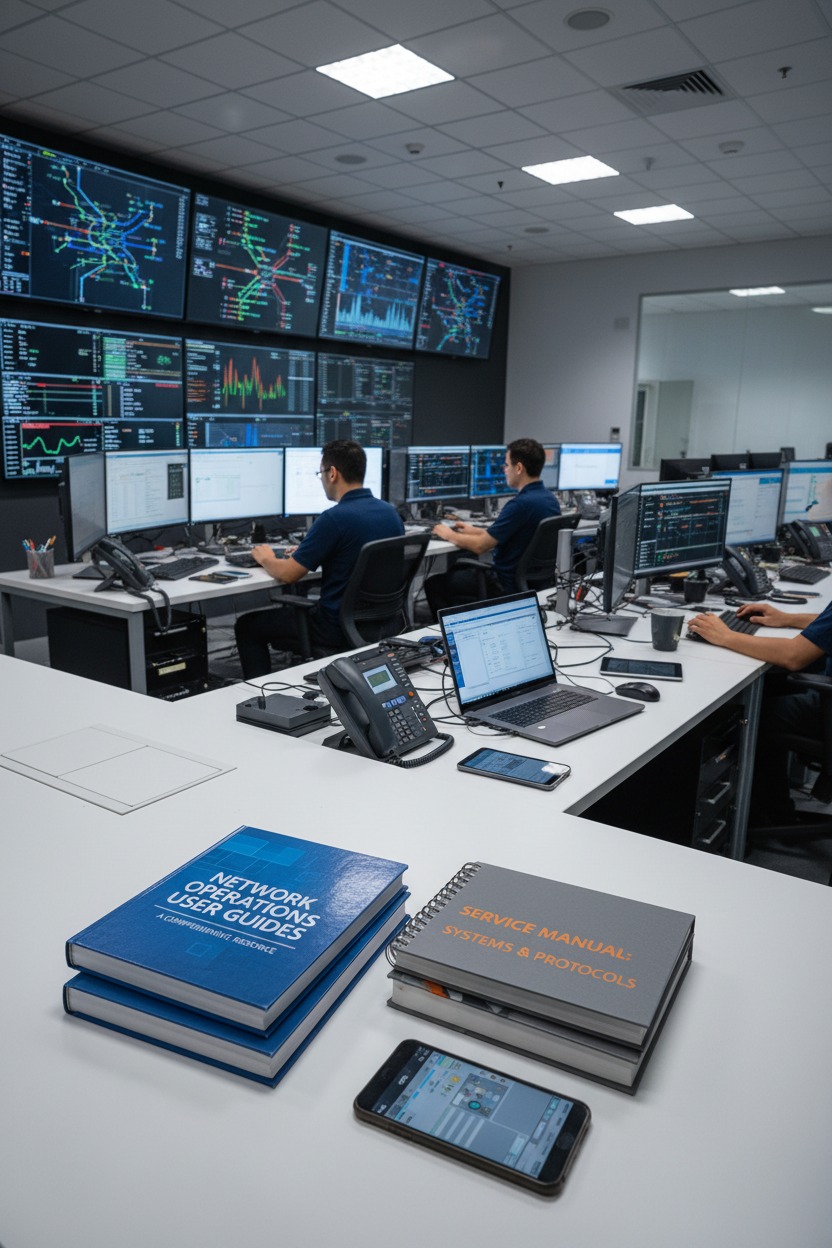

Network & Infrastructure Diagrams
I create clear visual documentation of network and connected infrastructure, including logical and physical network diagrams, equipment locations, connectivity, network cabinets, racks, wireless infrastructure and other relevant systems.
Outcome: A visual reference that makes the environment easier to understand, communicate, troubleshoot and maintain.

Floor Plans & Connected Environments
Existing building plans and floor plans can be used as the foundation for documenting the location of network equipment, wireless access points, outlets, cameras, cabinets, devices and other connected infrastructure. This approach can scale from homes and small offices to commercial buildings, campuses and other complex environments.
Outcome: Technical information is connected to the physical environment in which the equipment actually exists.
Asset & Technical Documentation
A diagram becomes considerably more useful when supported by structured information. I develop documentation for equipment, assets, connections, locations, naming conventions and other information required to understand the documented environment.
Outcome: Diagrams and supporting information work together rather than existing as disconnected records.
Documentation Standards & Frameworks
I develop consistent structures for organising technical information, including document conventions, templates, naming standards, registers, revision information and supporting procedures. These frameworks can be adapted to the organisation and maintained as the environment changes.
Outcome: Documentation remains consistent, understandable and easier to maintain over its lifecycle.
Documentation for Environments of Any Scale
The same documentation principles can be applied to very different connected environments, from a smart home, network cabinet or mobile command vehicle through to offices, commercial facilities, multi-building sites, vessels and large-scale infrastructure.
NetworkDocs can work alongside the technical specialists responsible for those systems, using their authoritative information to build the documentation layer around the environment.
Outcome: A scalable documentation approach without NetworkDocs needing to replace the engineers, installers or specialist contractors responsible for the underlying systems.
Creativity
Making complex technical information easier to see and understand.
Good technical documentation is also good information design. I apply principles from visual communication, graphic design and digital media to turn complex infrastructure information into diagrams and documents that are clear, consistent and easy to navigate.
Creativity is not decoration. It is about deciding how technical information should be organised, represented and communicated so that the people using it can understand it quickly.
This may include:
• Network & Infrastructure Diagrams
• Floor Plan & Building Overlays
• Rack & Equipment Diagrams
• Visual Documentation Standards
• Document & Diagram Templates
• Information & Layout Design
Web
Making technical information accessible and useful.
Modern documentation increasingly needs to work beyond a static drawing or PDF. I structure technical information so that it can form part of an accessible digital documentation environment for the people responsible for managing and maintaining the systems.
Web technologies can provide the interface between diagrams, documents, asset information, procedures and other technical resources.
This may include:
• Web-Based Documentation
• Technical Knowledge Bases
• Documentation Portals
• SharePoint Information Structures
• Intranet Documentation
• Linked Technical Resources
Cloud
Connecting documentation with modern collaboration and information management.
Cloud platforms provide a practical foundation for storing, organising, sharing and maintaining technical documentation. NetworkDocs uses cloud-based tools to help create a controlled source of information that can evolve alongside the environment being documented.
My primary direction is Microsoft 365, using tools such as SharePoint, OneDrive, Teams and Visio to support structured documentation and collaboration.
This may include:
• Microsoft 365 Documentation Environments
• SharePoint Document Libraries
• OneDrive & Teams Collaboration
• Visio Network & Infrastructure Diagrams
• Cloud Service Documentation
• AI-Assisted Information Retrieval
Administration
Turning technical information into an organised, controlled and maintainable documentation system. A network diagram is only one part of understanding a connected environment. Behind it sits the information that identifies equipment, records locations and connections, explains procedures, tracks changes and keeps documentation current. NetworkDocs brings this information together into a structured administrative framework that can grow and evolve with the environment it documents.

Structure & Document Control
Creating order around technical information.
I establish consistent ways to organise, identify and manage technical documentation so information can be located, understood and maintained over time.
Rather than allowing diagrams, spreadsheets, manuals and technical records to become disconnected files, the aim is to create a logical documentation structure with clear relationships between them.
This may include:
• Documentation Structures & Libraries
• File & Folder Structures
• Naming Conventions
• Document Numbering
• Diagram & Document Templates
• Revision & Version Information
• Document Registers
• Standards & Conventions
• Technical Reference Libraries

Assets, Equipment & Records
Connecting diagrams with the equipment they represent.
Technical diagrams become considerably more valuable when the devices and infrastructure shown within them can be related to accurate supporting information.
I structure equipment and asset information so that locations, identifiers, connections and relevant technical records can be referenced alongside the visual documentation.
This may include:
• IT & Network Asset Registers
• Equipment Inventories
• Device & Equipment Identification
• Rack & Cabinet Records
• Port & Connection Information
• IP Address & Network Information
• Location & Site Records
• Hardware & Software Information
• Warranty & Lifecycle Information
• Supplier & Supporting Documentation

Procedures, Change & Lifecycle
Keeping documentation useful as environments change.
Documentation should not become obsolete the moment equipment is moved, replaced or upgraded. I develop practical structures and procedures for maintaining the documentation throughout the lifecycle of the environment.
This creates a repeatable approach for recording changes, updating diagrams and preserving the information future technicians, contractors and system owners may need.
This may include:
• Standard Operating Procedures (SOPs)
• Documentation Procedures
• Change & Update Records
• Installation & Handover Documentation
• Maintenance Records
• Technical Checklists
• Site & System Reference Guides
• Knowledge Base Content
• Documentation Review Cycles
• Archive & Historical Records
Who I Work With
NetworkDocs works with the people who design, install, manage, maintain and own connected environments.
My role is complementary to the technical specialists responsible for the infrastructure. You provide the authoritative technical knowledge of the environment; I help capture, organise, visualise and turn that information into professional documentation.
This allows NetworkDocs to work independently or alongside an existing project team without needing to replace the engineers, installers, contractors or technology providers already responsible for the systems.
I can partner with:
• Managed Service Providers (MSPs)
• Network Engineers & IT Consultants
• Systems & Technology Integrators
• Electrical & Structured Cabling Contractors
• Security, CCTV & Access Control Specialists
• AV & Building Automation Integrators
• Facilities & Property Management Teams
• Architects, Designers & Project Teams
• Technology & Infrastructure Providers
• Business & System Owners
From Individual Systems to Complex Environments
The documentation approach can be adapted to the scale and complexity of the environment.
This might involve documenting a network cabinet or communications room, mapping connected devices throughout a smart home, overlaying network infrastructure onto commercial building plans, or developing structured documentation for much larger facilities and specialist environments.
Potential environments include:
• Homes & Smart Buildings
• Offices & Commercial Properties
• Retail & Hospitality Environments
• Schools & Educational Facilities
• Healthcare & Community Facilities
• Warehouses & Industrial Sites
• Multi-Site Organisations
• Mobile & Specialist Vehicles
• Marine & Vessel Environments
• High-Rise & Large-Scale Facilities
The scale may change. The documentation principles remain the same.
Understand what is there. Document how it connects. Keep the information useful.
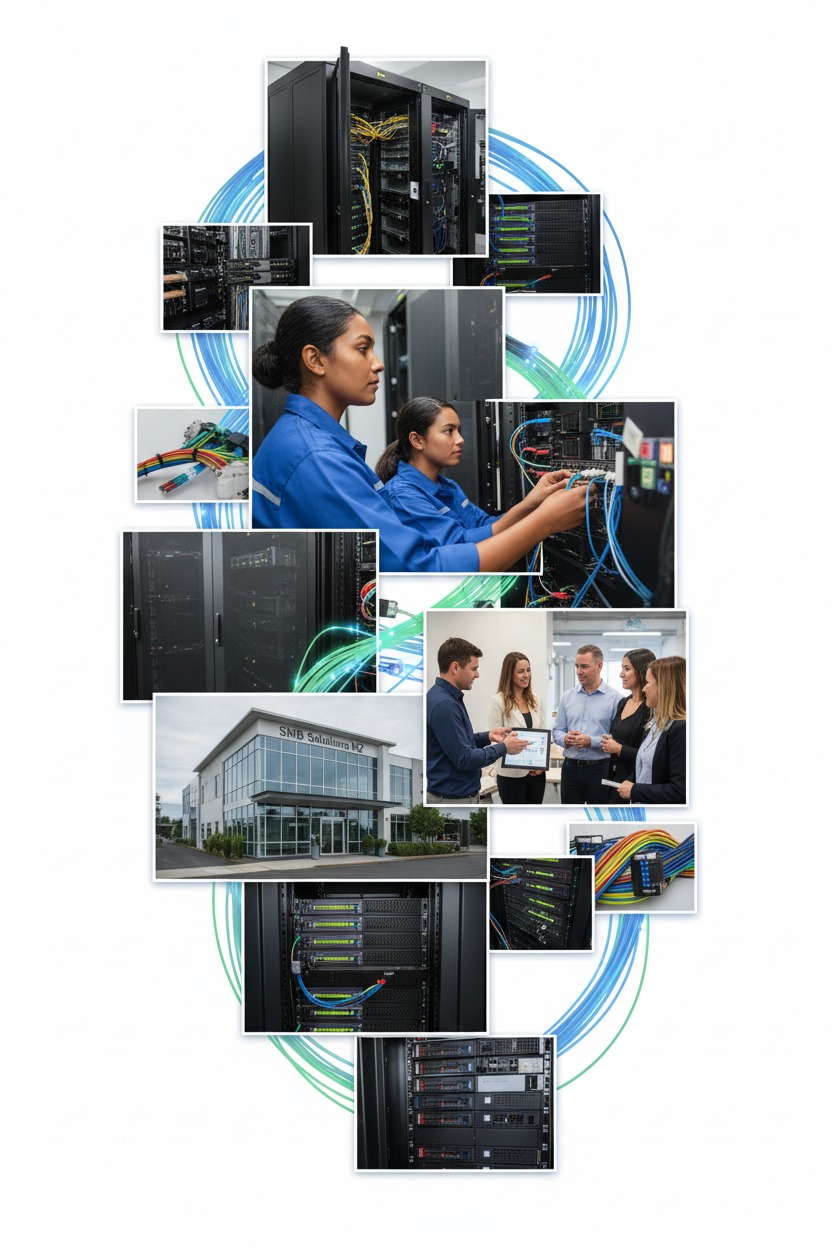

Connected environments rarely begin with perfect documentation. They evolve over time. Equipment is added, systems are upgraded, contractors change, buildings expand and knowledge becomes scattered across drawings, spreadsheets, emails, manuals and the people who know how everything fits together.
That is where NetworkDocs can help.
My role is not to replace your network engineer, MSP, installer, integrator or specialist contractor. I work alongside the people who understand and manage your technology, turning their technical knowledge into clear diagrams, structured records and maintainable documentation.
A project does not need to be enormous to benefit from good documentation.
It might be a smart home where nobody has properly recorded the network and connected devices. It could be a communications cabinet that has evolved over many years, an office requiring accurate network diagrams, a mobile command vehicle with multiple interconnected systems, or a large commercial facility requiring documentation across buildings, floors and technical spaces.
Whatever the scale, we can start with the same questions:
What do you have?
Where is it?
How is it connected?
What documentation already exists?
What information is missing?
From there, I can help establish a practical documentation framework that reflects the environment you actually have today and provides a foundation that can be maintained as it changes.
If you have an environment that needs to be understood, mapped or documented, let’s start a conversation.

New Zealand

+64-22-077-0808

Let’s Make Your Environment Easier to Understand.
Whether you need to document a single network, a smart building, a specialist vehicle or a complex multi-site environment, NetworkDocs can help turn technical information into clear diagrams, structured records and maintainable documentation.
Let’s start with what you have today, and build documentation that remains useful as your environment evolves.